Technology selection

Transparent led display price moves when the technology scope moves

A transparent led display price is not a single shelf tag. Pitch, transparency, brightness test basis, processor and packing each change the figure. This page is the trade-off sheet a buyer fills before asking factories for numbers.

Standard modules can shorten the drawing set. A finer pitch or a higher transparency target can be required by the viewing distance and the glass. Write the choice as mandatory or preferred. Ask the supplier to price the deviation on its own line so the headline cabinet figure stays readable.

No price is printed here. Currency, quantity, destination and Incoterm are still missing until you send them.

ChoiceWhat moves in the offerWhat stays unconfirmed
About 2.6–3.9 mm pitchMore pixels per cabinet, higher power and closer serviceThe quoted module and its wattage per square metre
About 6–10 mm pitchMore open glass, lower pixel count, longer viewing distanceWhether the opening still meets the artwork
Player on the cabinetSimpler signal path, content stored locallyWhether a house processor is already required
Synchronous processorLive input, extra hardware lineWho supplies the processor and the cable run
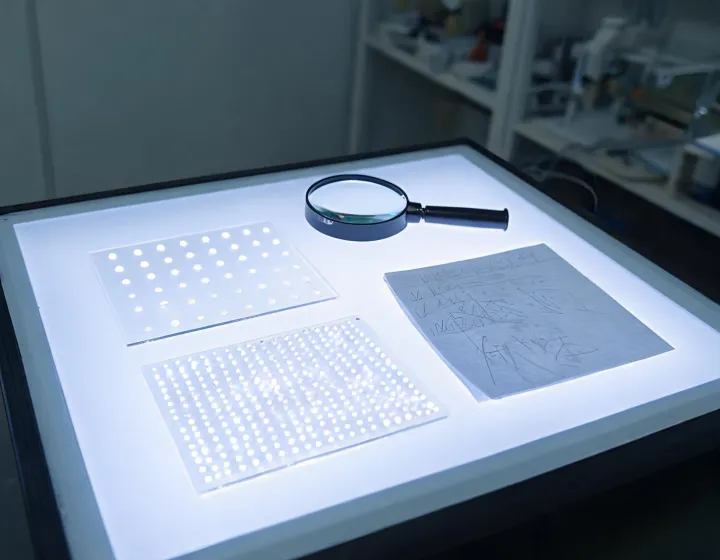
Engineer comparing two transparent LED module samples on a light table

Price-scope ledger: included, excluded, still open

Inside a usable price

Exact model, cabinet or module quantity, pixel pitch, stated brightness with its test condition, power supplies, and the control system if the buyer expects it in the same purchase order. State whether the amount is per square metre, per cabinet or the whole order, and name the currency.

Outside unless a line says so

Glass, steel, lift hire, content, import duty and a technician on site. Also spare parts and a second processor. If those words are missing, treat them as excluded rather than free.

Open until the factory writes

Lead-time basis, packing method, Incoterm, freight city and commissioning scope. An optional target budget can sit beside the offer as the buyer ceiling. It does not become the supplier price, and an empty budget is still a valid inquiry.

Technology questions that change which offer is even eligible

When is a coarser pitch the rational selection?

When the viewing distance is long and the glass must stay more open. The buyer writes the distance and the transparency goal. The supplier names the pitch that meets them and the brightness at that pitch. A finer pitch is not automatically the better purchase if the site cannot service the extra power and weight.

How do we keep a synchronous processor from hiding in the price?

Make the control interface its own row: included, optional or buyer-supplied. A cabinet price that assumes the buyer already owns a processor is a different delivered cost from a turnkey signal chain. Repeatability of the image then depends on that chain, not on the module photo.

What should a factory acceptance test cover before anyone talks discount language?

We do not use discount language. Ask which checks happen before shipment: pixel map, power-on, and the brightness method. The test record must name the model. A passed test on a different pitch does not clear this one.

Does input voltage belong in a technology choice?

Yes. A module family can be offered at more than one input. The utilities requirement at the US disconnect decides which offer is installable. Record voltage, frequency and phase next to the price basis so a later electrical change does not silently rewrite the quote.

Send these trade-offs with the price request

  • Viewing distance and whether transparency with the image off is mandatory
  • Brightness question plus the test basis you want cited
  • Control system: included, optional or already on site
  • Quantity, currency, destination and Incoterm you want quoted
  • Budget only if you have a ceiling, with unit or whole-order wording

The selection note can be short. The factory still has to attach the model.

Request Factory Quotes